
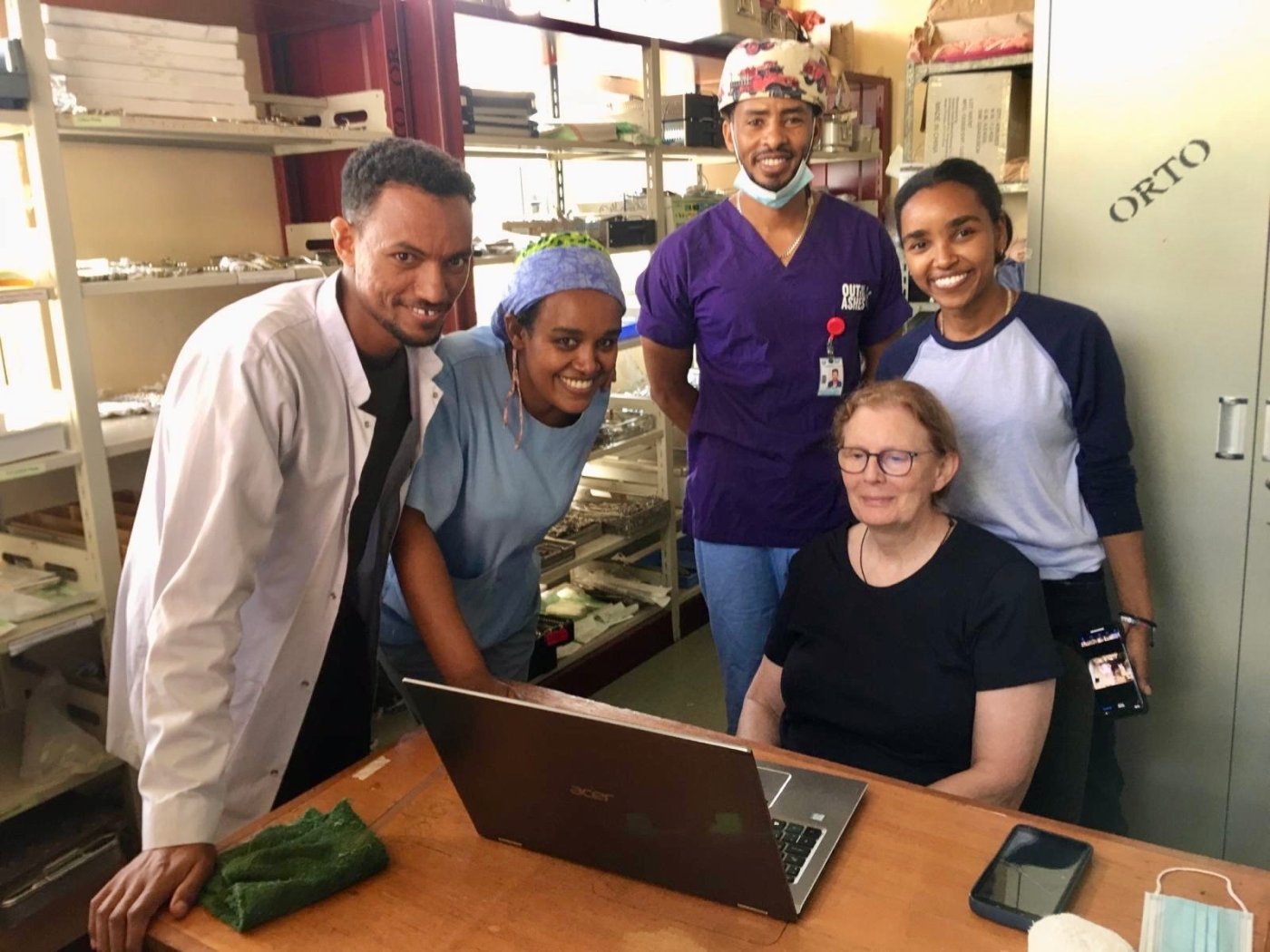
On May 6, 2024, my colleague Suzanna Hulskamp from the Netherlands and I, Bianca Lumpp from Germany, traveled to Jimma, Ethiopia. As part of a humanitarian project run by GO STAR, our goal was to improve hygiene conditions in the hospital.
During our stay, we identified numerous problems both on the ward and in the operating room. On the ward, we noticed that the organization of daily dressing changes was in dire need of improvement. There was a lack of essential materials and equipment such as dressing trolleys, dressing scissors, tweezers, couches for the dressing room, pedal bins, wheelchairs, transport couches, and commode chairs. In addition, there were no containers for blades and needles or holders for hand disinfectant. Disinfectants for hands and surfaces, sterile rinsing solutions, and protective clothing for staff were also in short supply.
The challenges in the operating room were just as serious. There were not enough surgical drapes, and the drills were cleaned with formalin, a disinfectant that is harmful to health and ineffective. There was a lack of disinfectants and appropriate holders. The trays and storage areas were unstructured, and communication between surgeons, anesthetists, and surgical nurses was poor. There was also a lack of structured surgical planning.
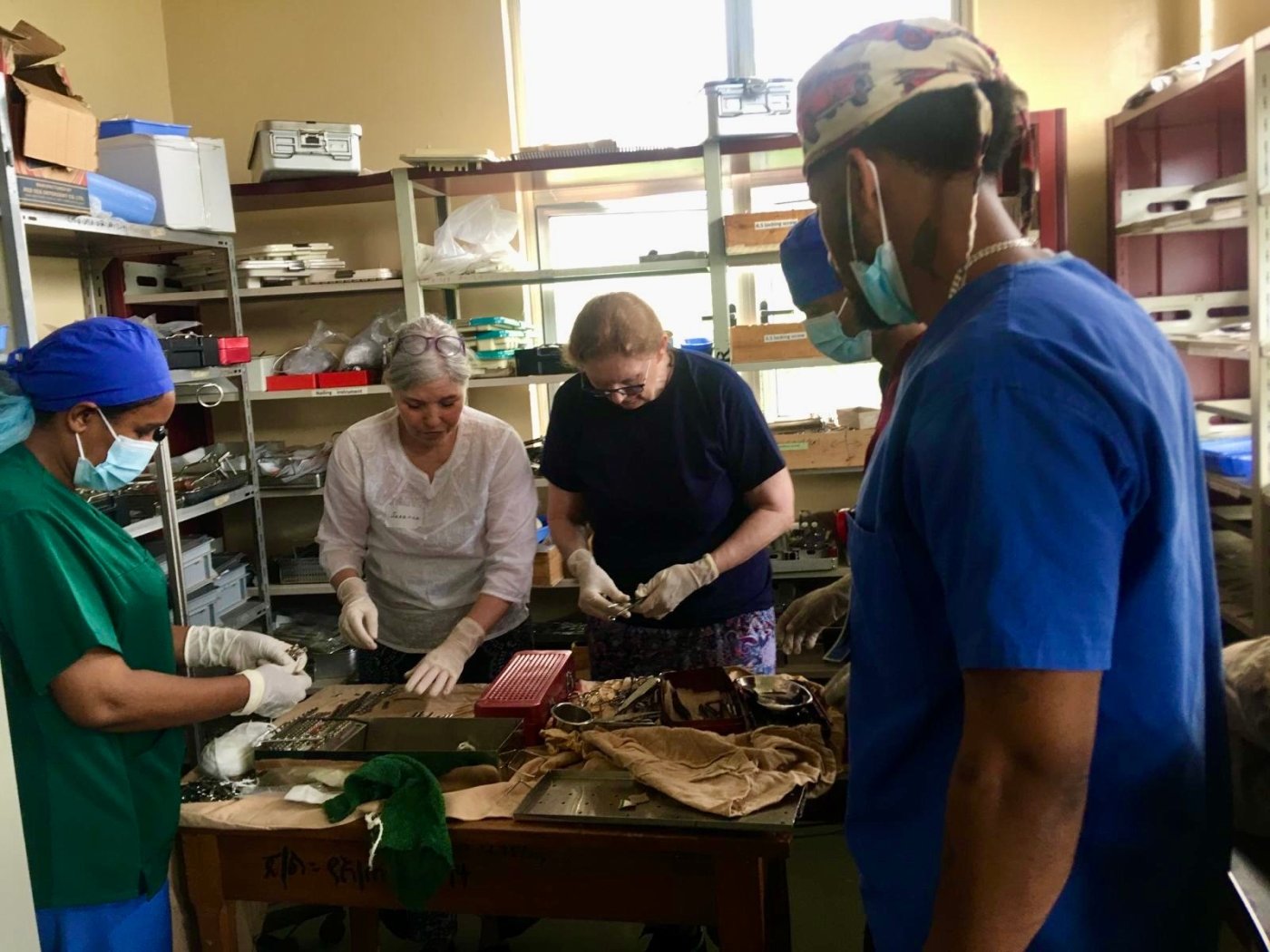
We took various measures to address the problems we identified. We worked intensively to raise awareness of hygiene and improve compliance. The dressing change process and organization were optimized, and we trained staff in hygienic practices during dressing changes.
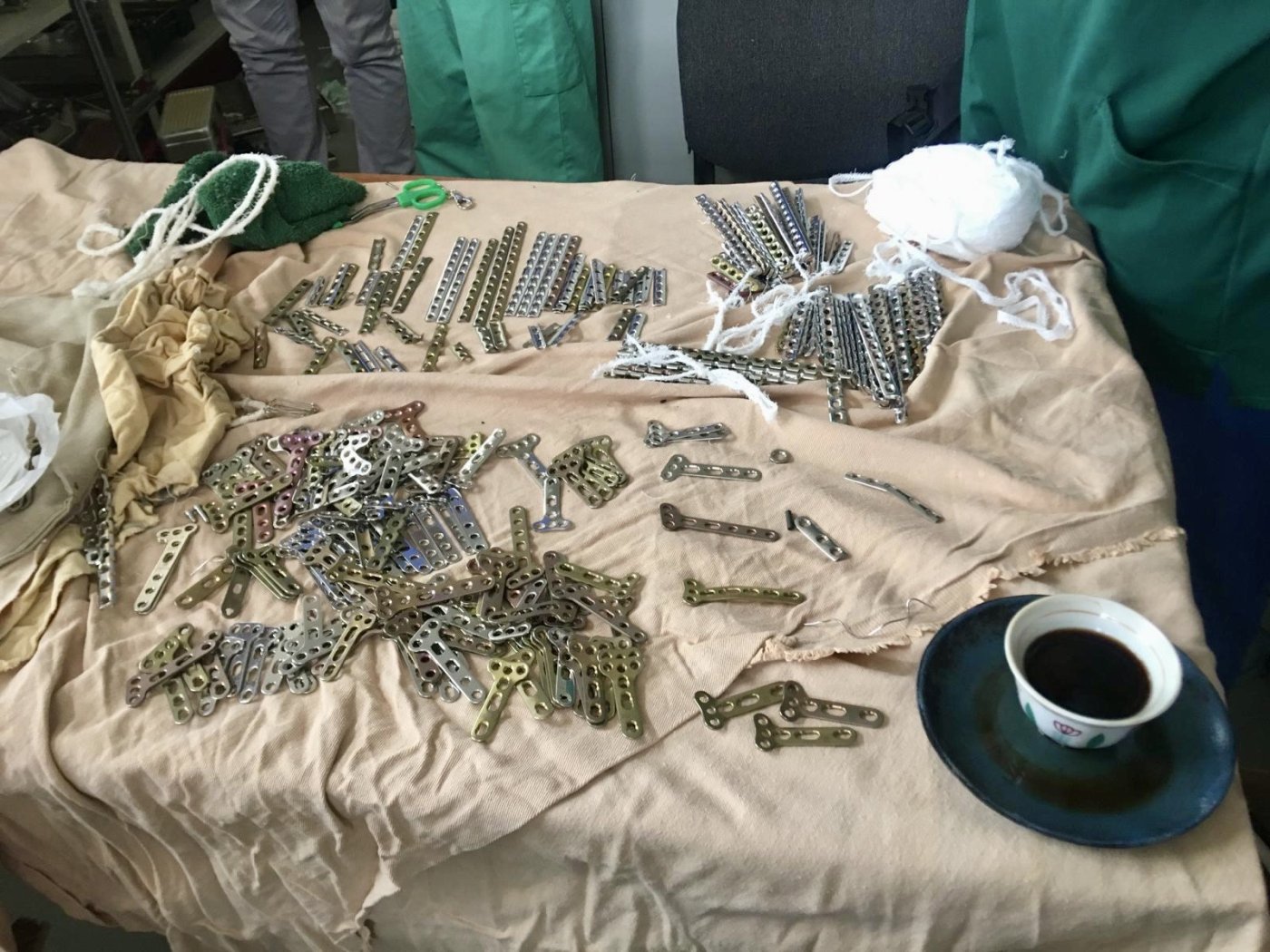
It was important to restructure the surgical trays, for which we created photo documentation to ensure a clear overview. To explain: surgical trays are containers that hold sterile instruments and implants. The previous practice of cleaning drills with formalin was replaced by an instructional video. We reorganized the storage room and held discussions with the hygiene department to establish clear agreements.
Our efforts were successful and improved hygiene conditions and awareness regarding dressing changes. In the operating room, the restructuring of the trays was very well received by surgeons and operating room staff. The trays are no longer opened to see what is inside. A small step with a big impact!
In the future, the staff would like to restructure additional trays on their own. The reorganization of the storage room provides a quick and clear overview of instruments and implants. In addition, the harmful “formalin” is no longer used for cleaning, as it has no cleansing effect.
The sustainability of the improvements will be crucial! The next step is to purchase the materials described in our technical report. Once all the materials are on site, it will be important to return for further training.
There are some differences when it comes to hygiene in African countries. In Tanzania, there were often only semi-skilled nurses without training. This is better in Ethiopia, where everyone has nursing training. However, the understanding of hygiene is different. The floor is cleaned, very often, but the walls and work surfaces are not cleaned at all. In addition, there are no hand sanitizers or surface disinfectants in hospitals at all, as there are insufficient financial resources. The staff needs to be better trained. They are also eager to learn. After our training, they immediately implemented everything and found it a relief. The work was easier and more pleasant for both the nursing staff and the patients.
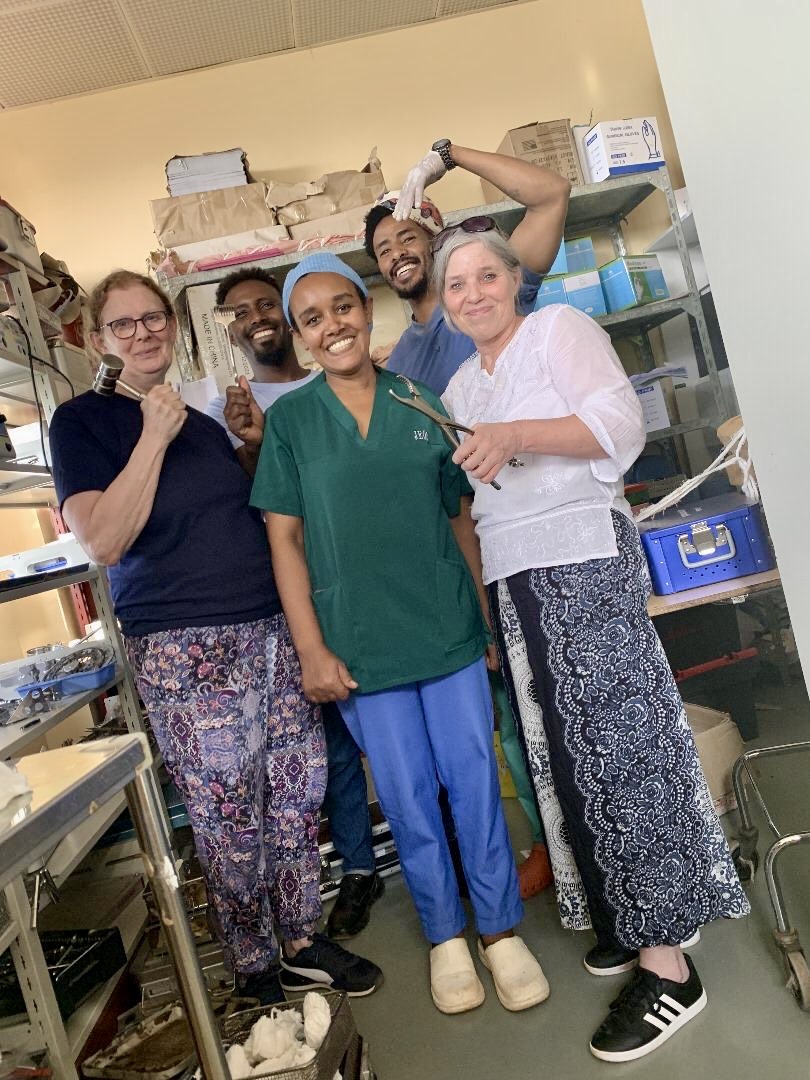
Bianca Lumpp (right in the picture)
Bianca Lumpp has been an experienced surgical nurse and practical instructor for surgical staff for over 30 years. She began her career at Göttingen University Hospital, where she worked as a surgical manager for 34 years. During her time there, she acquired extensive knowledge and skills in organizing and performing operations, as well as in instructing and training surgical staff.
In addition to her training as a surgical nurse, Bianca has completed further training as a hygiene specialist, which underscores her deep understanding of the importance of hygiene and infection prevention in the medical environment. Bianca currently works as a freelancer and is employed by the public health department, where she continues to contribute her expertise to improving healthcare.
Her extensive experience also includes numerous assignments abroad in various countries, including Tanzania, where she has applied her knowledge and skills in different cultural and medical contexts.
Suzanna Hulskamp (left in the picture)
Suzanna Hulskamp also has over 30 years of experience as a surgical nurse and practical instructor for surgical staff. She has been working in the operating room in Alkmaar, Netherlands, for over three decades, where she has established herself as a competent and reliable professional. Suzanna has always pursued her career with a high degree of commitment and professionalism, which is reflected in her many years of service in Alkmaar.
Together with Bianca Lumpp, Suzanna conducts training sessions and courses for the “Arbeitsgemeinschaft für Osteosynthese” (AO). In these courses, she imparts her extensive knowledge through lectures and practical exercises to expand and deepen the skills of surgical staff. Suzanna's international experience also includes numerous assignments abroad, particularly in Tanzania, where she has shared her expertise with Bianca.
Joint activities
Bianca Lumpp and Suzanna Hulskamp are not only long-standing colleagues, but also a well-coordinated team dedicated to training and improving surgical staff worldwide. Their joint assignments in various countries, such as Tanzania, testify to their commitment and willingness to share their knowledge and skills globally. Through their collaboration at the AO and their international assignments, they are making a significant contribution to improving standards in surgical care and hygiene and to training and supporting surgical staff worldwide.
«Nach unserer Schulung haben sie sofort alles umgesetzt und empfanden es als Erleichterung.» Bianca Lumpp
Swiss surgeons in Ehtiopia
c/o Luzerner Kantonsspital
Spitalstrasse 16
CH-6000 Luzern
IBAN CH62 0900 0000 6033 4455 9